Comprehensive Guide to Car Door Lock Repair: Troubleshooting and Solutions
The integrity and functionality of a vehicle's door locks are essential for both the security of the car and the safety of its residents. Car door locks can experience a variety of concerns, ranging from minor mechanical glitches to complete failures. This short article looks for to offer a useful introduction of car door lock repair, detailing typical problems, diagnostic procedures, and solutions.
Understanding Car Door Locks
Before delving into repair treatments, it is important to comprehend the elements of a normal car door lock. There are 2 primary kinds of locks: mechanical and electronic.
Elements of a Car Door Lock System
- Lock Cylinder: The part where the key is inserted.
- Latches: Mechanisms that hold the door shut.
- Actuator: Electric motor in electronic locks that assists in locking and unlocking.
- Linkage: Connects the lock cylinder to the lock.
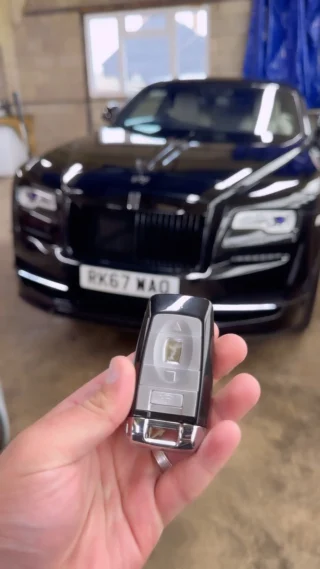
- Remote Key Fob: In electronic systems, this is utilized to lock and unlock the doors from a range.
Typical Issues with Car Door Locks
Car door locks can fail for a wide range of reasons. Here are some common issues experienced by vehicle owners:
- Sticking or Frozen Locks: Especially in winter, locks can end up being tough to operate.
- Lock Not Engaging or Disengaging: Both mechanical and electronic locks can deal with problems where they do not respond to the key or remote.
- Key Jams: The key may get stuck in the lock, making it impossible to lock or unlock the door.
- Remote Malfunction: In electronic systems, the key fob may not work due to battery problems or programming problems.
- Physical Damage: Vandalism or accidents can damage the lock system.
Troubleshooting Car Door Lock Issues
When a car door lock is not functioning properly, it is crucial to diagnose the problem accurately before continuing with a repair. Below are actions that can help troubleshoot the problem:
Step-by-Step Troubleshooting
Visual Inspection:
- Check the door lock and surrounding parts for noticeable damage.
- Analyze the key for wear and tear.
Test the Key:
- If the lock is sticking or not engaging, try using an extra key if available.
- Guarantee the key is tidy from dirt and debris.
Examine the Actuator:
- Listen for any sounds when pressing the key fob. A clicking noise might suggest a malfunctioning actuator.
Check Door Wiring:
- Check the wiring that connects the door lock to the vehicle's electrical system.
- Look for disconnected or torn wires.
Temperature level Influence:
- If the lock is sticking in winter, apply lithium grease to help lubricate the system.
Fixing Common Door Lock Issues
When the problem has actually been detected, the repair can begin. Here are some typical repair strategies for different problems:
Fixing a Sticking or Frozen Lock
- Cleaning up: Use a graphite lube or silicone spray to tidy and oil the system.
- Heating: If frozen, utilize a hairdryer to warm the area around the locking system thoroughly, preventing overheating.
Repairing a Lock Not Engaging/Disengaging
Lock Cylinder Replacement:
- If the lock cylinder is used, consider replacing it. This often includes spying off the door panel to access the lock mechanism.
Actuator Replacement:
- For electronic locks, if the actuator is faulty, it will need replacement. Make sure to disconnect the battery before attempting this repair.
Repairing a Jammed Key
- Extraction Tool: If a key is stuck, use a pair of needle-nose pliers to carefully pull it out, or a key extractor.
- Lock Lubrication: Apply a percentage of lube to reduce the procedure.
Remote Key Fob Malfunction
- Battery Replacement: Most remotes have replaceable batteries. Follow the maker's directions to change the battery.
- Reprogramming: Sometimes, the remote needs to be reprogrammed. Describe the vehicle's manual for steps to reprogram the key fob.
Physical Damage Repairs
- Door Lock Assembly Replacement: If the lock is physically harmed, total replacement of the lock assembly may be necessary.
- Professional Help: If not sure about DIY repairs, look for assistance from a qualified mechanic.
Maintenance Tips for Car Door Locks
To extend the life of car door locks, regular maintenance is important. The following practices can assist preserve optimum efficiency:
- Regular Lubrication: Apply appropriate lube to the locks every couple of months.
- Keep Keys Clean: Regularly tidy the car keys to avoid dirt accumulation.
- Avoid Excessive Force: Do not use excessive force when locking or opening; this can cause damage with time.
- View for Signs of Wear: Be attentive to any changes in the lock's efficiency and address problems immediately.
FAQs about Car Door Lock Repair
Q: How can I tell if my door lock is broken?A: Common
signs consist of the lock not engaging or disengaging, a jammed key, sounds from the door when utilizing the key fob, or visible damage to the lock assembly.
Q: Can I repair a car door lock myself?A: Yes, numerous easy concerns can be attended to by following the fixing steps in this article, but complicated problems may require expert assistance. Q: What type of lubricant should I utilize
for my locks?A: It is best to use graphite powder or silicone-based lubricants considering that oil can draw in dirt and grime. Q: How much does it normally cost to replace a car door lock?A: The cost can vary commonly
based on the vehicle's make and design, but typical replacement expenses
can range from ₤ 100 to ₤ 300, consisting of labor. Car door lock repair can appear challenging, but understanding the elements and typical concerns can make the procedure far more workable. Whether taking on duplicate car keys or seeking expert support for more significant problems, keeping the door locks operating correctly is important for vehicle security and safety. Regular maintenance and prompt attention to problems can significantly extend the life of your car's locking system.